Is it illegal to keep foreign currency in India? Not if you stay within the limits: residents can retain up to USD 2,000 in foreign currency notes and any amount of foreign coins, and anything more has to be sold to an authorised dealer or deposited in a foreign currency account. This is general information, not legal advice, and the rules are set by the RBI under FEMA.
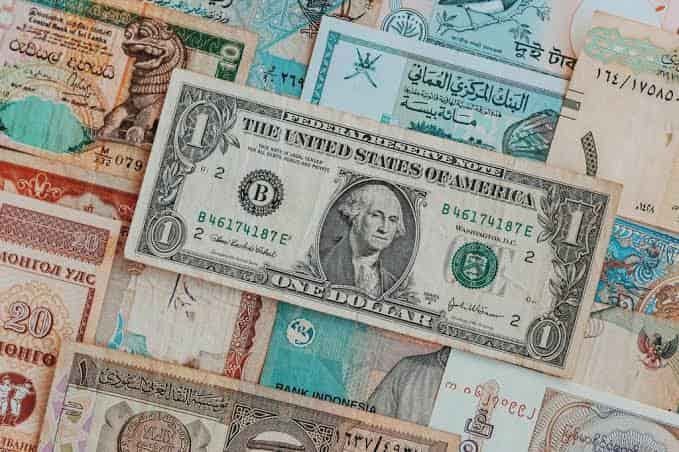
India restricts how much foreign cash a resident can hold, not whether they can hold any.
- FEMA’s Section 9 lets the RBI set limits for possessing and retaining foreign currency
- The Foreign Exchange Management (Possession and Retention of Foreign Currency) Regulations, 2015, notified on 29 December 2015, are the current framework, replacing the 2000 regulations that some guides still quote
- Dealing in foreign exchange generally runs through authorised dealers
The Limits
The main numbers are short.
- Foreign coins: any person can possess them without limit
- Foreign currency notes, bank notes and travellers’ cheques: a resident can retain up to USD 2,000 or equivalent in aggregate, provided it was acquired legitimately, for example while on a visit outside India as payment for services not arising from business in India
- Authorised dealers: can hold foreign currency without limit within the scope of their authority
- Residents who aren’t permanently resident: can possess any amount of foreign currency they held while resident abroad and brought in under the regulations
What to Do With Excess
Leftover cash from a trip has a clock on it.
- Unspent foreign currency notes above USD 2,000 must generally be surrendered to an authorised dealer within 90 days of return, according to most guides, and travellers’ cheques within 180 days
- One guide gives 180 days for both, so check with your bank
- You can instead credit any amount above the limit to a Resident Foreign Currency (Domestic) account, which one guide describes as a parking facility for unspent forex, gifts from non-residents and certain fees
- For example, if you return with USD 3,500 in notes, you can keep USD 2,000 and must sell or deposit the other USD 1,500 within the window
Buying Foreign Currency
Limits also apply when you get it.
- Residents can buy foreign currency notes and coins up to USD 3,000 per visit for travel, according to one guide, while an older one says USD 2,000, so confirm the current limit with your bank
- Larger amounts are usually carried as cards or transferred through banking channels
- Buy only from authorised dealers, since unauthorised money changers are illegal
Customs Declarations
Carrying cash across the border triggers separate rules.
- Bringing foreign exchange into India has no limit, but you must declare it on a Currency Declaration Form at Customs if the aggregate exceeds USD 10,000 or if notes and coins alone exceed USD 5,000
- Non-residents leaving India can generally carry only what they brought in and declared
- Keep your declaration form and exchange receipts
Penalties
Violations can be costly.
- One guide says a contravention can bring a penalty of up to three times the sum involved, or up to ₹2 lakh where the amount can’t be quantified
- Authorities may confiscate the currency, and a continuing default can attract a daily fine, quoted at ₹5,000 a day
- One guide notes that serious violations can also attract COFEPOSA, though that relates to smuggling and foreign-exchange offences
- Penalty amounts come from older guides, so treat them as indicative
Common Situations
A few cases come up often.
- Leftover trip money: keep up to USD 2,000, and sell or deposit the rest
- Gifts from relatives abroad: credit them to an RFC (Domestic) account instead of keeping the cash at home
- Foreign coins or souvenirs: no limit on coins
- Returning residents: there are separate rules and accounts, so ask your bank
- Spending dollars in India: it isn’t a standard practice, since only authorised dealers can deal in foreign exchange
FAQs
Q1. How much foreign currency can I keep at home?
A resident can retain up to USD 2,000 in notes or travellers’ cheques, and any amount of foreign coins.
Q2. What happens to money above the limit?
Sell it to an authorised dealer within the surrender window, quoted at 90 days for notes, or credit it to an RFC (Domestic) account.
Q3. Do I need to declare cash at the airport?
Yes, if the total foreign exchange exceeds USD 10,000, or if notes and coins alone exceed USD 5,000.
Q4. Is it illegal to buy dollars from a local money changer?
Only authorised dealers can deal in foreign exchange, and unauthorised changers are illegal.